Post Surgery Physiotherapy at Home – The Complete Guide to Faster, Safer Recovery
Many people believe that complete bed rest is the best way to recover after surgery. In reality, staying inactive for too long can slow healing, weaken muscles, increase stiffness, and delay mobility recovery. While rest is important, proper movement and guided rehabilitation are equally essential for restoring strength and function. This is exactly why post surgery physiotherapy at home has become such an important part of modern recovery care.
After surgery, patients often struggle with pain, reduced mobility, swelling, weakness, and difficulty performing daily activities. Traveling to clinics during this phase can be uncomfortable and exhausting. With home physiotherapy after surgery, patients receive personalized rehabilitation care in the comfort of their homes, allowing them to recover safely and more conveniently.
Whether someone is recovering from knee replacement surgery, hip replacement, spine surgery, fracture repair, or another medical procedure, professional post operative physiotherapy at home can help speed up recovery, reduce pain, and improve long-term mobility.
In this complete guide, you will learn how post surgery rehabilitation at home works, who needs it, the benefits of rehabilitation, treatment methods, recovery timelines, and how to choose the best physiotherapy services for a smooth and successful recovery journey.
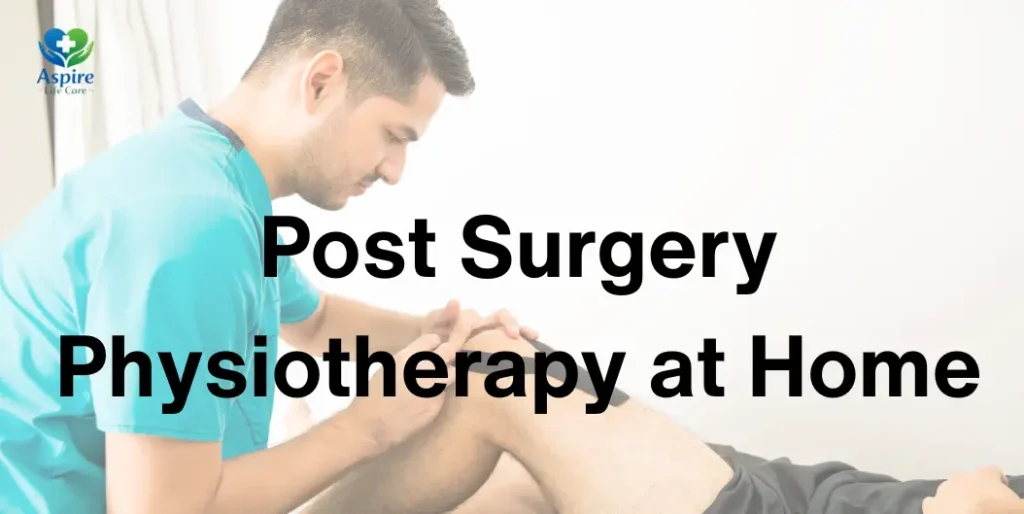
What Is Post Surgery Physiotherapy at Home?
Post surgery physiotherapy at home is a specialized rehabilitation service designed to help patients regain strength, mobility, flexibility, and independence after surgery. Instead of visiting a clinic repeatedly, a professional physiotherapist provides treatment directly at the patient’s home.
After surgery, the body naturally experiences stiffness, weakness, swelling, and reduced movement. Without proper rehabilitation, these issues can become worse and delay recovery. Physiotherapy helps patients recover safely through guided exercises, mobility training, pain management techniques, and personalized treatment plans.
The primary goals of post operation physical therapy at home include:
- Restoring mobility
- Improving muscle strength
- Reducing pain and swelling
- Preventing stiffness
- Improving balance and coordination
- Helping patients return to normal daily activities
Every rehabilitation plan is customized according to the patient’s condition, surgery type, age, pain levels, and recovery goals.
Why Home Physiotherapy Is Becoming More Popular
More patients and families are now choosing home physiotherapy after surgery because it offers convenience, comfort, and individualized care.
Traveling immediately after surgery can be physically demanding and stressful. Sitting in traffic, climbing stairs, or waiting in crowded clinics may worsen pain and fatigue. With at-home post surgical physiotherapy, patients can recover in a familiar environment without unnecessary physical strain.
Some major reasons why home rehabilitation is becoming increasingly popular include:
Comfortable Recovery Environment
Recovering at home helps patients feel more relaxed, emotionally secure, and motivated during rehabilitation.
Personalized One-on-One Attention
Unlike busy clinics, home physiotherapy sessions focus entirely on one patient, allowing therapists to provide fully customized treatment.
Better Consistency With Treatment
Because therapy sessions happen at home, patients are more likely to remain consistent with their rehabilitation programs.
Reduced Stress and Fatigue
Home rehabilitation eliminates the burden of transportation and reduces physical exhaustion during recovery.
Family Support During Recovery
Family members can actively support rehabilitation and better understand the patient’s recovery needs.
This is especially beneficial for elderly individuals receiving home physical therapy for elderly surgery patients, where safety and convenience are extremely important.
Benefits of Post Surgery Physiotherapy at Home
Recovering after surgery can be challenging both physically and emotionally. Pain, stiffness, weakness, and reduced movement often make daily activities difficult. Professional post surgery physiotherapy at home helps patients recover more effectively through structured rehabilitation programs.
Faster Recovery and Healing
One of the biggest advantages of post operative physiotherapy at home is faster healing.
After surgery, muscles and joints can quickly become stiff due to inactivity. Guided movement and rehabilitation exercises help improve blood circulation, reduce inflammation, and support tissue repair.
Physiotherapy promotes faster recovery by:
- Improving oxygen flow to healing tissues
- Preventing muscle weakness
- Reducing joint stiffness
- Supporting flexibility restoration
- Encouraging safe mobility
Patients who begin post surgery rehabilitation at home early often recover movement and independence much faster.
Pain Management Without Heavy Dependence on Medication
Pain is one of the most common concerns after surgery. While medication may temporarily relieve discomfort, it does not address stiffness, weakness, or limited mobility.
Professional surgery recovery physiotherapy focuses on treating the root causes of pain through:
- Manual therapy
- Stretching exercises
- Mobility training
- Postural correction
- Muscle strengthening
These techniques help reduce pressure on joints and muscles while improving movement patterns naturally.
As mobility improves, patients often experience:
- Less stiffness
- Reduced swelling
- Better flexibility
- Improved comfort while walking or standing
This makes professional post surgery recovery physiotherapy at home a highly effective solution for long-term pain management.
Improved Mobility and Strength
After surgery, prolonged rest can weaken muscles and reduce coordination. Many patients struggle with walking, climbing stairs, standing, or performing routine activities independently.
This is where home physiotherapy after surgery becomes essential.
A physiotherapist develops a structured rehabilitation program that may include:
- Muscle strengthening exercises
- Balance training
- Walking recovery exercises
- Joint mobility routines
- Flexibility exercises
- Functional movement training
These exercises help patients regain confidence and physical independence safely.
Patients recovering through home physiotherapy after knee replacement surgery often improve walking ability and joint flexibility significantly when rehabilitation begins early.
Similarly, physiotherapy at home after hip replacement surgery helps restore balance, posture, and lower body strength.
Reduced Risk of Post-Surgical Complications
One often-overlooked benefit of post surgery physiotherapy at home is complication prevention.
Long periods of inactivity after surgery can increase the risk of:
- Blood clots
- Poor circulation
- Muscle wasting
- Joint stiffness
- Balance problems
- Swelling
Guided rehabilitation exercises encourage safe movement and help keep the body active during healing.
Early physiotherapy can:
- Improve circulation
- Reduce inflammation
- Maintain muscle function
- Improve posture
- Prevent severe stiffness
For elderly individuals, home physical therapy for elderly surgery patients can significantly lower fall risks and mobility decline.
Personalized One-on-One Care
Every surgery and recovery process is different. A personalized approach is one of the greatest strengths of post surgery rehabilitation at home.
Home physiotherapists carefully evaluate:
- Pain levels
- Mobility limitations
- Strength deficits
- Recovery progress
- Home environment challenges
Treatment plans are then adjusted according to the patient’s condition and goals.
Patients receiving personalized post surgery physiotherapy treatment at home benefit from:
- Customized exercises
- Safe movement guidance
- Functional activity training
- Walking assistance
- Fall prevention strategies
The one-on-one approach also allows patients to ask questions and receive continuous support throughout recovery.
Types of Surgeries That Require Physiotherapy at Home
Several surgeries require structured rehabilitation for safe recovery and mobility restoration.
Physiotherapy After Knee Replacement Surgery
Knee replacement recovery often involves stiffness, swelling, and difficulty walking.
Home physiotherapy after knee replacement surgery helps improve:
- Joint flexibility
- Walking ability
- Muscle strength
- Pain management
Therapists guide patients through range-of-motion exercises and walking training to accelerate recovery.
Hip Replacement Physiotherapy at Home
Patients recovering from hip replacement surgery often struggle with balance and lower body weakness.
Physiotherapy at home after hip replacement surgery focuses on:
- Stability training
- Walking support
- Strength rebuilding
- Safe movement techniques
Home rehabilitation reduces strain during early recovery stages.
Spine Surgery Rehabilitation
After spine surgery, posture correction and core strengthening become extremely important.
Rehabilitation programs may include:
- Core stabilization exercises
- Flexibility training
- Safe mobility exercises
- Pain management techniques
Professional post operation physical therapy at home ensures recovery progresses safely without unnecessary strain on the spine.
Stroke and Neurological Rehabilitation
Stroke survivors and neurological surgery patients often require long-term rehabilitation to improve movement and independence.
Home rehabilitation may include:
- Walking retraining
- Balance exercises
- Coordination improvement
- Functional movement recovery
Practicing movement within the home environment helps patients adapt more effectively to daily activities.
What Happens During a Home Physiotherapy Session?
Many patients feel unsure about what to expect during post surgery physiotherapy at home. A professional session is carefully structured to support safe recovery and improve mobility gradually.
Initial Assessment and Recovery Planning
The first session usually begins with a detailed assessment.
The physiotherapist evaluates:
- Pain levels
- Joint mobility
- Muscle strength
- Balance and coordination
- Walking ability
- Functional limitations
Based on the assessment, a personalized rehabilitation plan is created.
Customized Treatment Techniques
Treatment methods vary according to the patient’s surgery and recovery stage.
Common rehabilitation techniques include:
- Manual therapy
- Guided exercises
- Stretching routines
- Balance training
- Mobility exercises
- Muscle strengthening
These methods help improve movement safely while protecting healing tissues.
Home Exercise Programs
Physiotherapists also provide post surgery rehabilitation exercises at home to support recovery between sessions.
These may include:
- Gentle stretching
- Walking routines
- Strengthening exercises
- Breathing exercises
- Postural corrections
Consistency with these exercises often leads to faster and more effective recovery outcomes.
How Long Does Post Surgical Rehabilitation Take?
Recovery timelines vary depending on the type of surgery, age, physical condition, and rehabilitation consistency.
Some patients recover within a few weeks, while others may require several months of rehabilitation.
Factors That Affect Recovery Speed
Several factors influence healing time, including:
- Surgery complexity
- Patient age
- Muscle strength before surgery
- Consistency with physiotherapy
- Nutrition and hydration
- Overall health condition
Patients who remain consistent with rehabilitation exercises at home often achieve better recovery results.
Signs Recovery Is Progressing Well
Positive recovery signs include:
- Reduced pain
- Improved walking ability
- Better flexibility
- Increased muscle strength
- Greater independence during daily activities
Professional physiotherapists regularly monitor progress and adjust treatment plans accordingly.
Choosing the Best Post Surgery Physiotherapy at Home Service
Selecting the right physiotherapist plays a major role in recovery success.
Qualities of a Professional Home Physiotherapist
A reliable physiotherapist should have:
- Professional qualifications
- Experience in surgical rehabilitation
- Strong communication skills
- Personalized treatment approaches
- Knowledge of mobility recovery techniques
Questions to Ask Before Hiring
Before starting therapy, patients should ask:
- Do you specialize in post surgical rehabilitation?
- Have you treated similar cases before?
- How many sessions may be required?
- What treatment techniques will be used?
Red Flags to Avoid
Be cautious of:
- Generic exercise programs
- Lack of assessments
- Unrealistic recovery promises
- Poor communication
Choosing the best post operative physiotherapy services near me can significantly improve recovery quality and safety.
Home Recovery Tips to Maximize Physiotherapy Results
Recovery success depends not only on therapy sessions but also on healthy habits at home.
Stay Consistent With Exercises
Skipping rehabilitation sessions or avoiding exercises can slow recovery progress.
Daily movement and regular exercise help:
- Maintain flexibility
- Improve circulation
- Build strength
- Prevent stiffness
Maintain Good Nutrition and Hydration
Healing tissues require proper nutrition.
Patients recovering after surgery should focus on:
- Protein-rich foods
- Fruits and vegetables
- Anti-inflammatory foods
- Adequate water intake
Proper nutrition supports tissue repair and muscle recovery.
Create a Safe Recovery Environment
A safe home setup reduces fall risks and movement difficulties.
Helpful adjustments may include:
- Removing loose rugs
- Using supportive chairs
- Installing handrails
- Improving lighting
These changes are especially important for elderly patients.
Why Early Rehabilitation Matters
Many patients delay physiotherapy because they believe movement should be avoided after surgery. However, prolonged inactivity often causes stiffness and weakness.
Early post operative physiotherapy at home can:
- Restore mobility faster
- Reduce swelling
- Improve circulation
- Prevent muscle loss
- Improve long-term recovery outcomes
Of course, rehabilitation should always follow medical advice and be supervised by a qualified physiotherapist.
Frequently Asked Questions About Post Surgery Physiotherapy at Home
When should physiotherapy start after surgery?
In many cases, physiotherapy begins within a few days after surgery, depending on the surgeon’s recommendations.
How many physiotherapy sessions are usually needed?
The number of sessions depends on the surgery type, physical condition, and recovery goals.
Is home physiotherapy effective after knee replacement surgery?
Yes, home physiotherapy after knee replacement surgery can significantly improve mobility, flexibility, and strength.
Can elderly patients recover safely with home physiotherapy?
Absolutely. Home physical therapy for elderly surgery patients provides safer rehabilitation in a familiar environment.
Is home physiotherapy better than clinic visits?
For many post surgical patients, home rehabilitation offers greater comfort, convenience, and personalized care.
Conclusion – Recover Safely With Expert Post Surgery Physiotherapy at Home
Recovery after surgery requires more than rest alone. Proper rehabilitation is essential for restoring movement, reducing pain, rebuilding strength, and preventing long-term complications.
With professional post surgery physiotherapy at home, patients can recover safely in a comfortable environment while receiving personalized one-on-one care tailored to their condition.
Whether recovering from joint replacement, spine surgery, fracture repair, or neurological procedures, structured rehabilitation helps patients regain independence faster and improve overall quality of life.
Choosing expert home physiotherapy after surgery can make a major difference in how smoothly and successfully recovery progresses. With the right guidance, commitment, and rehabilitation plan, patients can return to daily life stronger, safer, and more confidently.