Physiotherapy for Stroke at Home: Complete 2026 Guide to Safe & Effective Recovery at Home
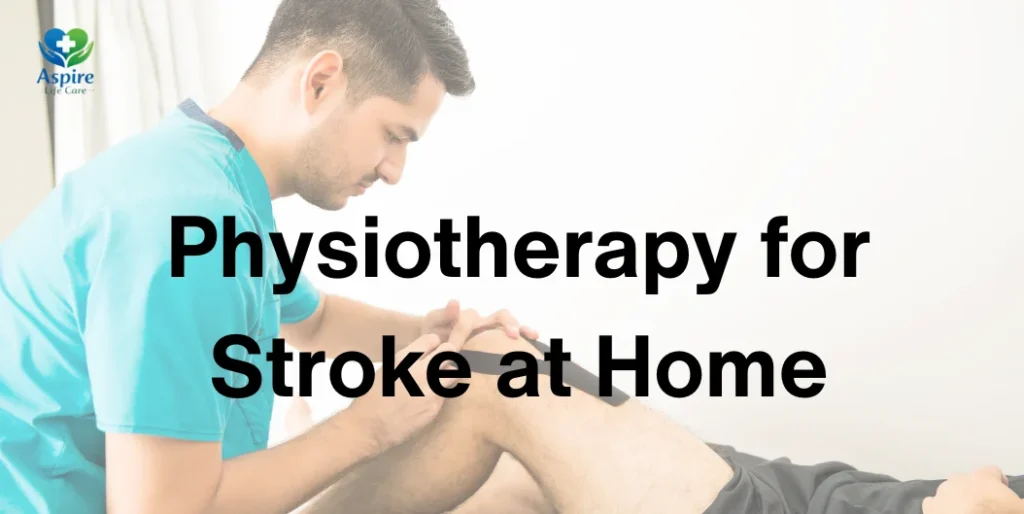
Many people still believe that stroke recovery only happens inside hospitals and rehabilitation centers under strict supervision. This is a very outdated idea. In reality, most meaningful recovery happens after discharge through consistent physiotherapy for stroke at home, where structured exercises and daily rehabilitation routines help patients regain movement, independence, and confidence.
Today, families are increasingly searching for terms like home physiotherapy for stroke recovery, stroke physiotherapy at home exercises, and at home physiotherapy for stroke patients because they want practical, long-term solutions that fit real life—not just short hospital sessions.
This guide explains everything you need to know about stroke rehabilitation at home, including what it is, who needs it, and how it helps patients recover step by step.
1. Introduction: Why Physiotherapy for Stroke at Home is a Life-Changing Recovery Approach
Stroke is one of the leading causes of disability worldwide. After emergency treatment, patients often face challenges like weakness, paralysis, difficulty walking, or loss of coordination. This is where physiotherapy for stroke at home treatment becomes extremely important.
Instead of relying only on hospital visits, patients can continue recovery in their own home environment with structured rehabilitation. This approach is also known as:
- home physiotherapy for stroke recovery
- stroke physiotherapy at home exercises
- at home physiotherapy for stroke patients
The biggest advantage is consistency. Stroke recovery is not a one-time treatment—it requires repetition, patience, and daily guided movement training.
Why home stroke physiotherapy is becoming so popular
Families now prefer home physiotherapy for stroke patients because it offers:
- Comfortable recovery in familiar surroundings
- One-on-one personalized attention
- Reduced travel stress for weak patients
- Better family involvement in care
- Long-term structured rehabilitation
This is why searches like stroke recovery exercises at home, physiotherapy for hemiplegia recovery, and home based stroke rehab program are increasing rapidly.
2. What is Physiotherapy for Stroke at Home?
Physiotherapy for stroke at home is a specialized rehabilitation method where a trained physiotherapist provides treatment at the patient’s home instead of a clinic or hospital. The goal is to restore movement, improve muscle strength, and help patients regain independence step by step.
It is also commonly referred to as:
- home physiotherapy for stroke recovery
- stroke physiotherapy at home exercises
- at home physiotherapy for stroke patients
This approach focuses on functional recovery—helping patients perform real-life activities like sitting, standing, walking, and using their hands again.
Core goals of stroke physiotherapy at home
A structured physiotherapy for stroke at home treatment focuses on:
- Restoring movement in affected limbs
- Improving balance and coordination
- Reducing muscle stiffness and spasticity
- Enhancing walking ability
- Rebuilding daily functional independence
These goals are achieved through a stroke rehabilitation physiotherapy at home program designed according to the patient’s condition.
What makes home physiotherapy different?
Unlike hospital-based sessions, home physiotherapy for stroke recovery is personalized. The therapist adjusts treatment based on:
- Patient’s living environment
- Level of paralysis or weakness
- Recovery stage
- Daily movement patterns
This makes exercises more practical and easier to continue long-term.
3. Who Needs Stroke Physiotherapy at Home?
Not every stroke patient has the same recovery journey. Some improve quickly, while others need long-term rehabilitation. That is why physiotherapy for stroke at home treatment is designed for different types of patients.
1. Patients with Post-Stroke Paralysis
Many stroke survivors experience partial or complete paralysis on one side of the body. These patients require continuous rehabilitation to regain movement.
They benefit from:
- physiotherapy for hemiplegia recovery
- stroke physiotherapy at home exercises
- recovery of paralysis at home
2. Hemiplegia Patients (One-Sided Weakness)
Hemiplegia affects one side of the body, making movement difficult. These patients require structured therapy to restore strength and coordination.
Common needs include:
- Assisted movement training
- Balance exercises
- Muscle re-education
This is where home physiotherapy for stroke recovery plays a key role.
3. Elderly Stroke Patients
Older patients often struggle more due to age-related weakness and slower healing. Traveling to clinics becomes difficult, making at home physiotherapy for stroke patients essential.
They benefit from:
- Gentle mobility exercises
- Assisted walking training
- Passive limb movements
4. Bedridden or Severely Limited Patients
Some stroke patients cannot move independently at all. These cases require careful and consistent rehabilitation at home.
Treatment includes:
- Passive exercises stroke patients
- Muscle stiffness reduction
- Positioning and posture correction
5. Early Recovery Stroke Patients
The first few months after a stroke are critical. This is when brain recovery (neuroplasticity) is most active.
These patients need:
- stroke physiotherapy at home exercises
- physiotherapy guided stroke recovery
- Daily movement training
6. Patients with Slow Recovery
Some patients stop improving after initial progress. This is usually due to lack of structured rehabilitation.
They require:
- A revised stroke rehabilitation physiotherapy at home program
- Consistent stroke recovery exercises at home
- Professional monitoring
4. Goals of Physiotherapy for Stroke at Home Recovery
The main goal of physiotherapy for stroke at home treatment is not just pain relief, but full functional recovery.
Key goals include:
- Restoring movement in arms and legs
- Improving coordination and balance
- Reducing stiffness and muscle tightness
- Supporting brain-muscle connection (neuroplasticity)
- Helping patients regain independence
This is achieved through a structured stroke recovery physiotherapy plan designed for each patient.
5. Step-by-Step Physiotherapy for Stroke at Home Treatment Plan
A proper home physiotherapy for stroke recovery program follows a structured process:
Step 1: Assessment
Evaluate movement, strength, and mobility level.
Step 2: Passive Exercises
Used for severely weak or paralyzed patients.
Step 3: Assisted Exercises
Patient starts moving with support.
Step 4: Active Exercises
Patient begins independent movement.
Step 5: Functional Training
Includes walking, sitting, and daily activity practice.
6. Best Stroke Physiotherapy Exercises at Home
Arm Exercises
- Upper limb stroke rehab exercises
- Arm recovery after stroke exercises
Leg Exercises
- Leg strengthening after stroke at home
- Lower limb stroke rehab exercises
Balance Training
- Stroke balance improvement exercises
- Walking training after stroke
7. Daily Stroke Physiotherapy Routine at Home
A typical routine includes:
- Morning mobility exercises
- Mid-day assisted movements
- Evening relaxation therapy
This builds a strong stroke rehab daily routine home plan.
8. Benefits of Physiotherapy for Stroke at Home
- Faster recovery in comfortable environment
- Personalized care
- Better consistency
- Family involvement
- Improved confidence
9. Conditions Improved with Stroke Physiotherapy at Home
- Hemiplegia
- Partial paralysis
- Muscle stiffness
- Coordination loss
10. Common Mistakes in Stroke Recovery
- Skipping exercises
- Irregular therapy
- Overexertion
- Lack of professional guidance
11. Expert Tips for Faster Stroke Recovery
- Start early rehabilitation
- Stay consistent
- Follow physiotherapist instructions
- Practice daily movement training
12. FAQs
Q: What is physiotherapy for stroke at home?
It is structured rehabilitation done at home to improve movement and independence.
Q: Can stroke patients recover at home?
Yes, with consistent physiotherapy and guided exercises.
Q: How long does stroke recovery take?
It varies depending on severity and consistency of therapy.
13. Conclusion
Physiotherapy for stroke at home is one of the most effective and practical ways to support long-term stroke recovery. It focuses on restoring movement, improving strength, and helping patients regain independence in a familiar environment.
With consistent home physiotherapy for stroke recovery, patients can significantly improve mobility, confidence, and quality of life over time.