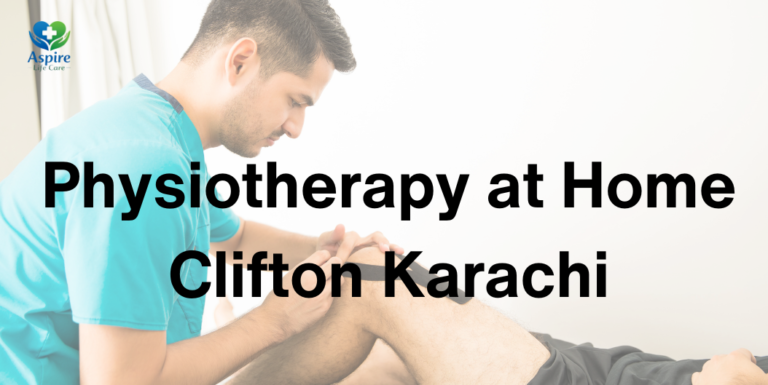
Physiotherapist at Home: 10 Powerful Benefits for Faster Recovery & Pain Relief
Introduction
A common belief still exists that proper physiotherapy can only be effective inside a clinic or hospital, where machines, equipment, and constant supervision are available. This idea is no longer accurate. Today, a professional physiotherapist at home can deliver equally effective — and often better — rehabilitation outcomes by providing personalized care in a comfortable environment.
Modern healthcare is shifting toward patient-centered treatment, where convenience, comfort, and consistency matter just as much as clinical expertise. That is exactly why more patients now prefer a home physiotherapist instead of traveling repeatedly to clinics.
Whether someone is recovering from surgery, managing chronic back pain, dealing with stroke rehabilitation, or supporting elderly care, a physiotherapy at home service ensures expert treatment without the stress of travel or hospital waiting rooms.
In cities like Karachi, demand for physiotherapy home visit service is increasing rapidly as families prioritize safe, convenient, and personalized healthcare at home.

What Is a Physiotherapist at Home?
A physiotherapist at home is a licensed rehabilitation professional who provides physical therapy treatment at the patient’s residence instead of a clinic or hospital. This approach is part of modern home physiotherapy services, designed to help patients recover from pain, injury, surgery, or neurological conditions in a more comfortable setting.
Unlike traditional clinic visits, an in-home physiotherapist service focuses entirely on one patient per session. This allows deeper attention, better monitoring, and highly customized rehabilitation planning.
A typical physiotherapy at home service includes:
- Physical assessment and diagnosis
- Pain evaluation and mobility testing
- Personalized exercise programs
- Manual therapy techniques
- Balance and coordination training
- Muscle strengthening exercises
- Posture correction
- Home-based rehabilitation plans
This makes it a complete recovery solution for patients of all ages and conditions.
Definition of Physiotherapist at Home
A physiotherapist at home refers to a trained professional who provides structured rehabilitation therapy at the patient’s home. This is also known as a physiotherapy home visit service or physiotherapy at home services.
The main goal is not just pain relief but full functional recovery — helping patients regain independence in daily activities.
During the first session, the therapist evaluates:
- Muscle strength
- Joint mobility
- Pain levels
- Balance and coordination
- Walking ability
- Functional limitations
Based on this assessment, a customized rehabilitation plan is created.
This approach is especially effective for:
- Stroke rehabilitation at home
- Paralysis recovery physiotherapy
- Elderly physiotherapy at home
- Post-surgery rehabilitation
- Chronic pain conditions
Because therapy is delivered in a real-life environment, recovery becomes more practical and sustainable.
How a Physiotherapist at Home Works
A professional physiotherapist at home service follows a structured and patient-focused process.
Step 1: Initial Assessment
The therapist evaluates:
- Medical history
- Pain intensity
- Movement restrictions
- Muscle strength
- Balance and posture
This helps identify the exact problem and recovery needs.
Step 2: Customized Treatment Plan
A personalized rehabilitation plan is created, which may include:
- Manual therapy at home
- Strength training exercises
- Mobility improvement routines
- Pain management physiotherapy
- Neurological rehabilitation exercises
- Balance training
For example, a home physiotherapist service for chronic pain management is very different from a stroke recovery program.
Step 3: Regular Physiotherapy Sessions
During ongoing physiotherapy home sessions, the therapist:
- Monitors recovery progress
- Adjusts exercises gradually
- Reduces pain systematically
- Improves movement patterns
- Ensures safe recovery progression
This consistency is key to successful rehabilitation.
Why Physiotherapist at Home Services Are Becoming Popular
The demand for physiotherapy at home services is growing rapidly due to lifestyle changes and patient preferences.
1. Rising Demand for Convenience
Patients no longer want to spend time traveling to clinics. A physiotherapist at home service brings expert care directly to the patient.
2. Better Comfort and Personal Attention
A home physiotherapist focuses on one patient at a time, ensuring personalized care and better outcomes.
3. Reduced Hospital Visits
With a physiotherapy home visit service, patients avoid unnecessary clinic visits and recover in a familiar environment.
4. Ideal for Elderly Patients
A certified physiotherapist at home for elderly patients helps seniors improve balance, strength, and independence safely.
5. Better Treatment Consistency
Patients are more likely to continue therapy regularly when it is convenient and stress-free.
Conditions Treated by Physiotherapist at Home
A physiotherapist at home can treat a wide range of conditions effectively.
Back Pain & Spine Issues
- Slip disc physiotherapy at home
- Sciatica treatment physiotherapy
Knee & Joint Pain
- Knee pain physiotherapy at home
- Arthritis rehabilitation
Stroke Recovery
- Neurological physiotherapist at home for stroke rehabilitation
- Home physiotherapist for stroke recovery
Paralysis Recovery
- Expert physiotherapist at home for paralysis recovery patients
Post-Surgery Rehabilitation
- Physiotherapist at home for post surgery rehabilitation services
Sports Injuries
- Professional physiotherapist at home for sports injury recovery
10 Powerful Benefits of Physiotherapist at Home
1. One-on-One Personalized Care
Full attention on a single patient improves recovery speed.
2. Faster Recovery in Comfort
Healing in a familiar environment improves mental and physical recovery.
3. No Travel Stress
Patients avoid painful or tiring clinic visits.
4. Ideal for Elderly Care
A home physiotherapist provides safe mobility training for seniors.
5. Flexible Scheduling
Sessions can be planned based on patient convenience.
6. Better Consistency
Regular sessions lead to better long-term results.
7. Reduced Infection Risk
Home treatment avoids exposure to crowded clinics.
8. Family Support
Family members can assist and monitor recovery.
9. Real-Life Training
Patients learn movement skills in their actual home environment.
10. Cost-Effective Solution
Saves travel costs and reduces long-term healthcare expenses.
Physiotherapist at Home vs Clinic Physiotherapy
| Home Physiotherapist | Clinic Physiotherapy |
|---|---|
| Personalized attention | Shared attention |
| Comfortable environment | Clinical setting |
| Flexible timing | Fixed appointments |
| Better elderly care | Equipment-based focus |
Why Families Prefer Physiotherapist at Home
The shift toward physiotherapy at home services is driven by:
- Busy lifestyles
- Elderly care needs
- Post-surgery recovery support
- Stroke rehabilitation requirements
- Preference for personalized healthcare
Families in Karachi increasingly prefer home-based recovery because it is safer, more convenient, and more effective.
Expert Tips for Faster Recovery
- Follow exercises regularly
- Stay consistent with therapy sessions
- Maintain correct posture
- Avoid skipping rehabilitation
- Follow therapist instructions carefully
Conclusion
A physiotherapist at home is more than just a convenience — it is a complete rehabilitation solution designed for modern healthcare needs. From personalized care to faster recovery and improved comfort, home physiotherapy services are transforming how patients heal.
Whether someone needs a home physiotherapist, physiotherapy home visit service, or full physiotherapy at home services, this approach ensures safe, effective, and patient-friendly recovery.
Most importantly, it allows patients to heal with dignity, comfort, and expert support — all from the safety of their own home.